Design for Wellbeing
Your living environment significantly impacts your mental and physical health. These principles help create spaces that promote calm, reduce stress, and support daily wellbeing.
Choosing Dust-Free Materials
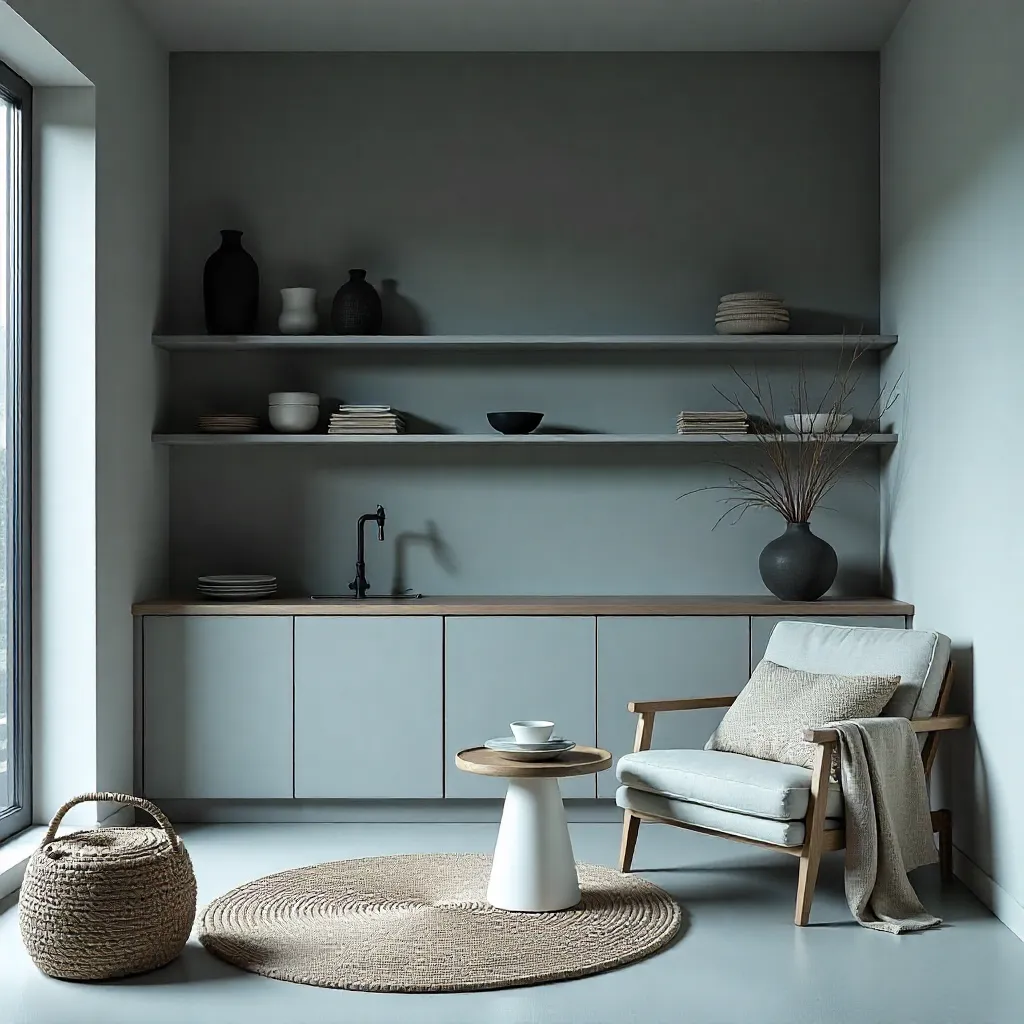
Selecting materials that minimize dust accumulation is essential for maintaining healthy indoor air quality. Natural wood surfaces, when properly sealed, resist dust better than synthetic materials. Linen and cotton fabrics are naturally less prone to static electricity, which attracts dust particles.
Smooth, non-porous surfaces like sealed stone or glazed ceramics are easier to clean and maintain. Avoid heavy textiles and complex textures that trap particles. Regular cleaning becomes simpler when materials are chosen thoughtfully from the start.
Consider materials that can be easily wiped down or vacuumed. Hardwood floors, for example, are preferable to high-pile carpets in areas where air quality matters most. When textiles are necessary, choose washable options that can be cleaned regularly without losing their appearance.
Light Placement for Calm Mood
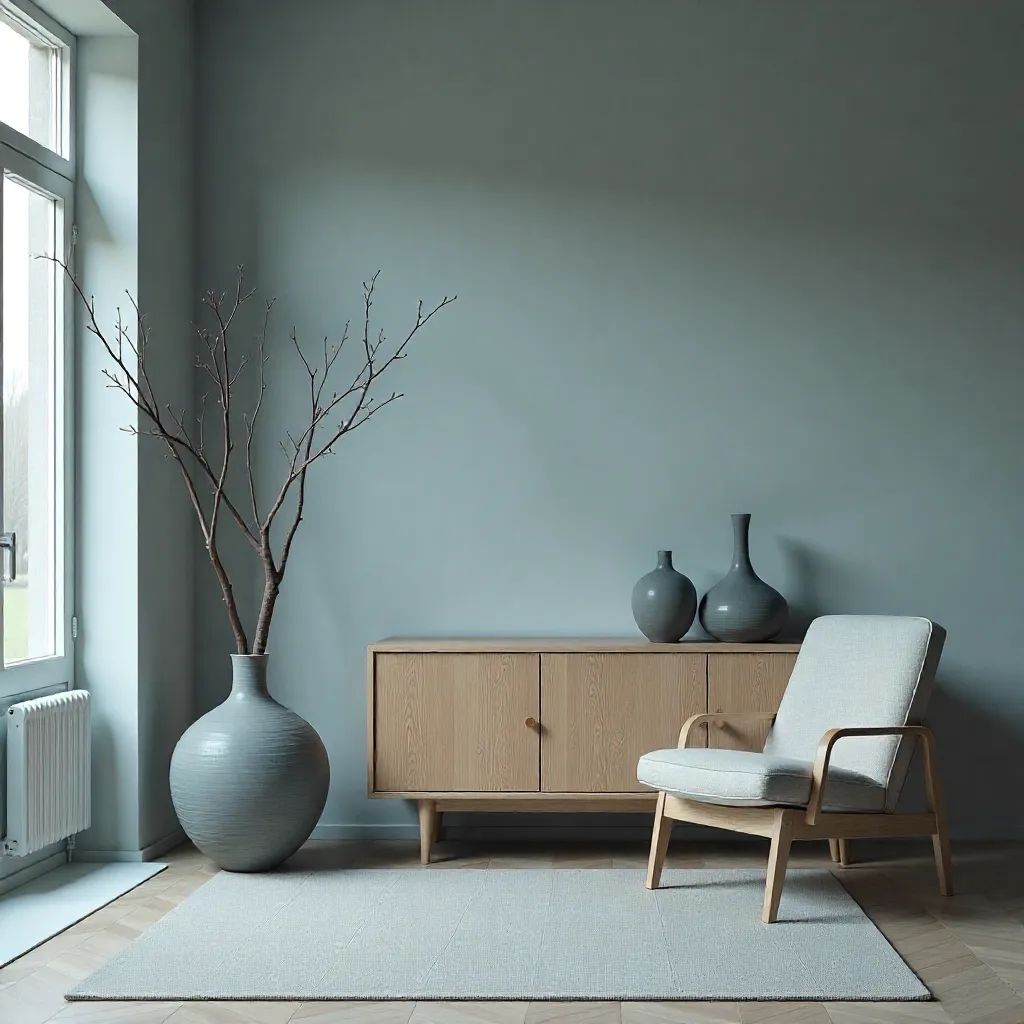
Natural light is the foundation of a calming interior. Position seating areas and workspaces near windows to maximize daylight exposure. Morning light, in particular, helps regulate circadian rhythms and supports natural energy patterns throughout the day.
Create layers of light rather than relying on single overhead fixtures. Combine ambient lighting with task-specific sources. Soft, warm-toned bulbs in the evening help signal to your body that it's time to wind down, while cooler tones support focus during daytime activities.
Consider the direction your windows face. North-facing windows provide consistent, diffused light ideal for reading nooks. South-facing windows offer bright, direct light perfect for living areas. Use sheer curtains to soften harsh afternoon sun while maintaining brightness.
Avoid placing bright lights directly in line of sight. Instead, bounce light off walls and ceilings to create gentle, even illumination. This reduces eye strain and creates a more peaceful atmosphere throughout your space.
Scandinavian Color Psychology
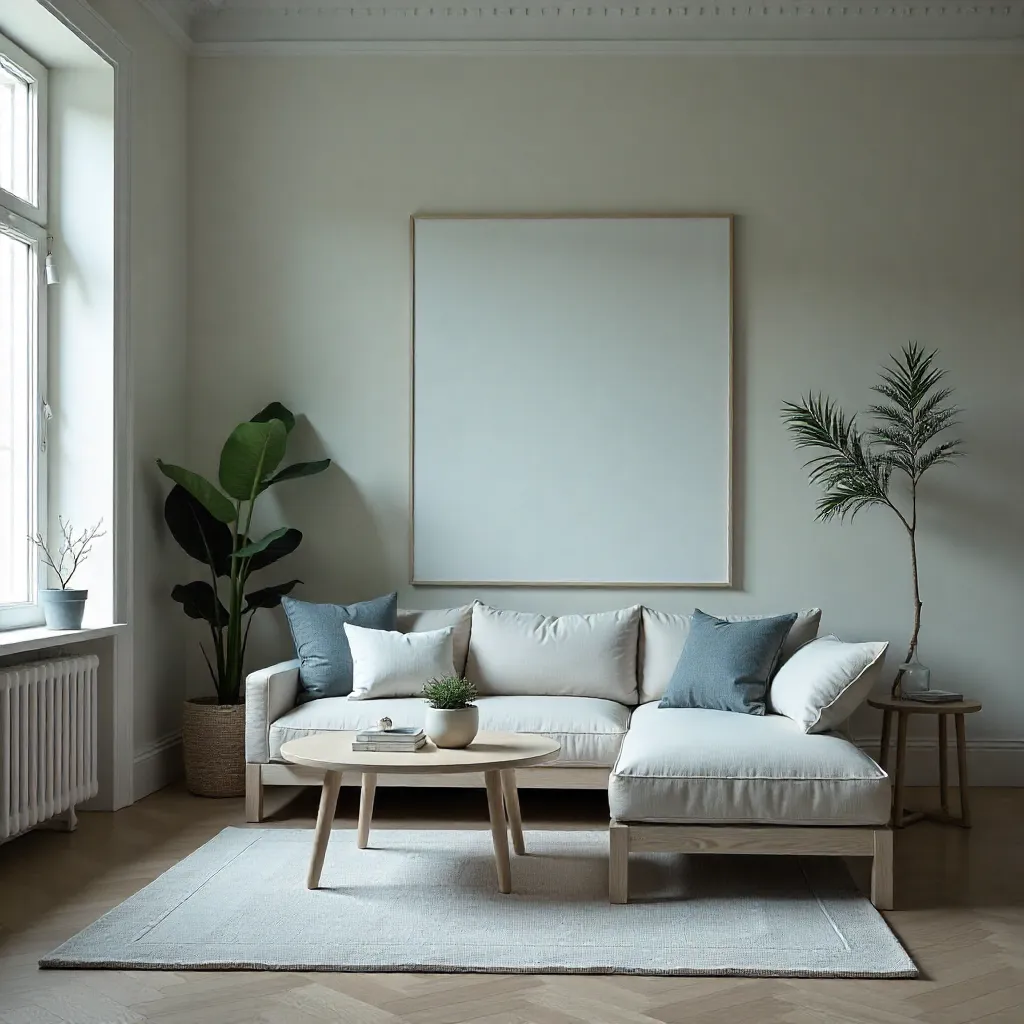
Scandinavian design philosophy emphasizes colors found in nature: soft grays, warm whites, pale blues, and muted greens. These hues have been shown to reduce stress and promote feelings of tranquility. The absence of high-contrast, saturated colors allows the mind to rest.
Neutral palettes create visual breathing room. When walls, floors, and large furniture pieces share similar tones, the eye isn't forced to constantly adjust. This visual consistency reduces cognitive load and supports mental clarity.
Introduce color through small, changeable elements like textiles, artwork, or plants. This approach allows you to adjust the mood of a space without major renovations. Seasonal changes can be reflected through these flexible elements while maintaining overall calm.
Consider the psychological effects of specific colors. Soft greens and blues are associated with nature and calm. Warm grays and beiges provide grounding without heaviness. Pure whites can feel stark, so opt for slightly warm or cool variations that feel more inviting.
Dutch Declutter Approach
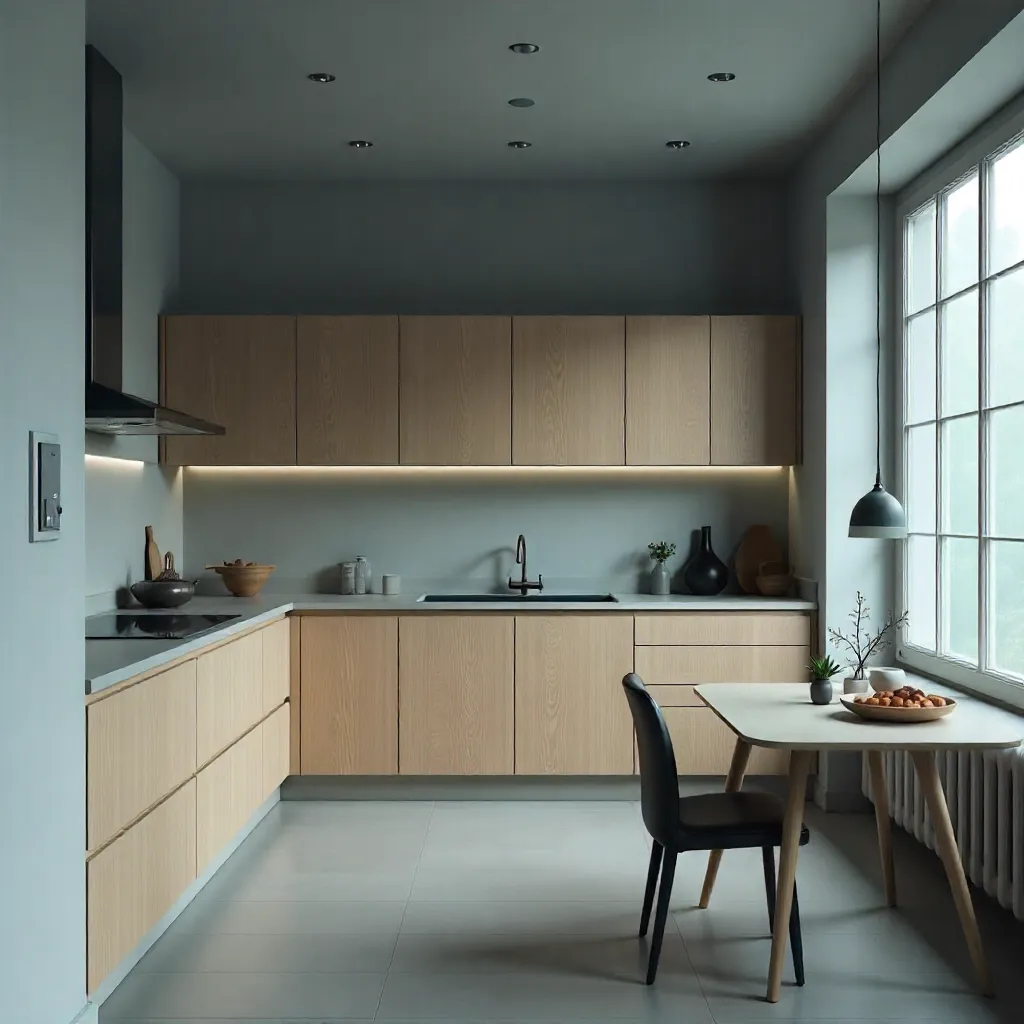
The Dutch approach to decluttering focuses on function and beauty in equal measure. Every item should serve a purpose or bring genuine joy. This philosophy prevents accumulation of unnecessary objects while ensuring your space remains both practical and aesthetically pleasing.
Create designated homes for frequently used items. When everything has a place, tidying becomes automatic rather than a chore. Open storage solutions work well when items are beautiful and intentionally chosen. Closed storage hides less attractive necessities while maintaining clean lines.
Regular editing prevents clutter from building up. Set aside time monthly to review your belongings. Ask yourself if each item is used regularly or brings meaningful value. If not, consider whether it should remain in your space.
Quality over quantity is central to this approach. Invest in fewer, better-made items rather than accumulating many inexpensive pieces. This reduces visual noise and supports long-term satisfaction with your environment.
Airy Layout Planning for Stress Reduction
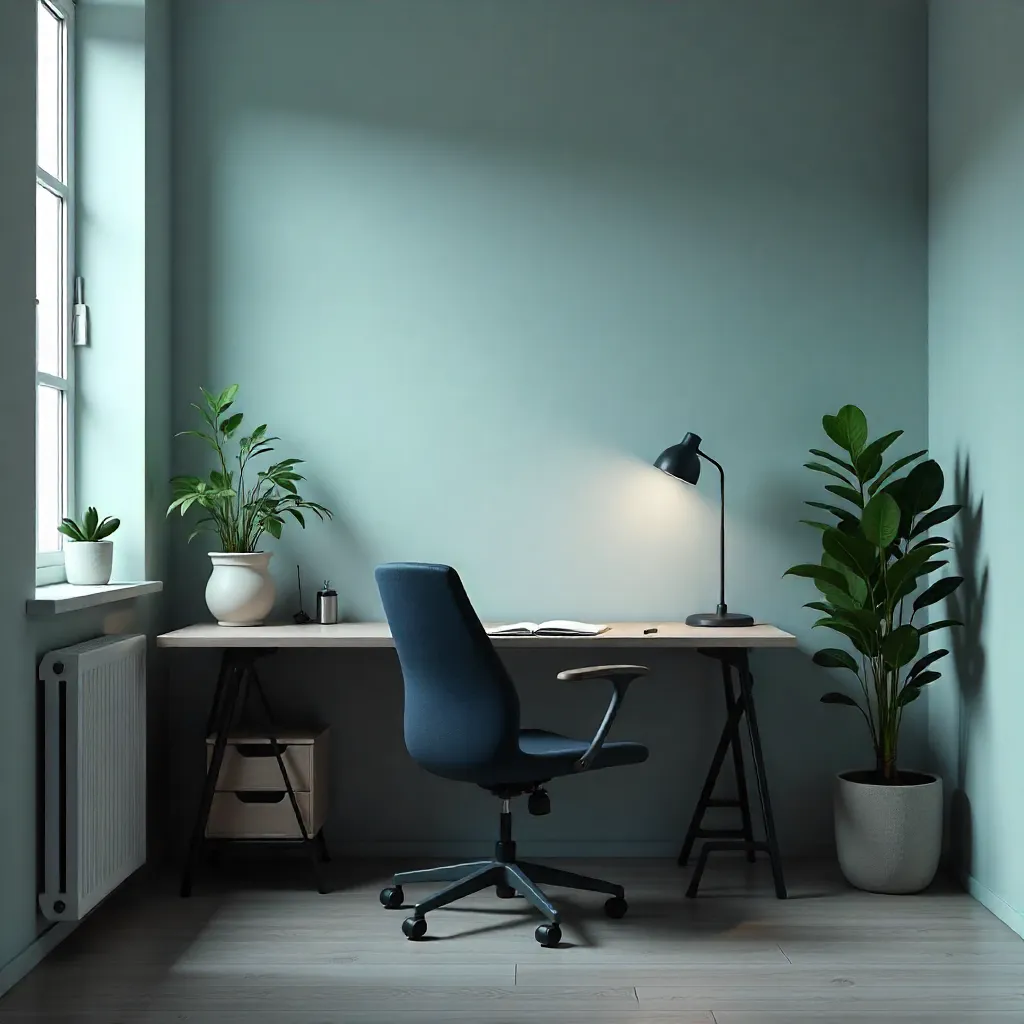
Generous spacing between furniture pieces allows energy to flow freely through a room. Crowded layouts create visual and physical obstacles that increase stress. Leave at least 60 centimeters of clearance around major furniture pieces for comfortable movement.
Create clear pathways that guide natural movement through your space. Avoid placing furniture in ways that force awkward navigation. The most used routes should be the most open and direct.
Consider sight lines when arranging furniture. Being able to see across a room creates a sense of spaciousness, even in smaller areas. Low-profile furniture helps maintain these sight lines while providing necessary function.
Group furniture to create conversation areas rather than lining pieces against walls. This creates more intimate, functional zones while maintaining overall openness. Use area rugs to define these zones without physical barriers.
Leave some areas intentionally empty. Negative space is as important as filled space in creating calm. These breathing zones allow the eye to rest and prevent visual overwhelm. Not every corner needs furniture or decoration.
Material Selection for Indoor Air Quality
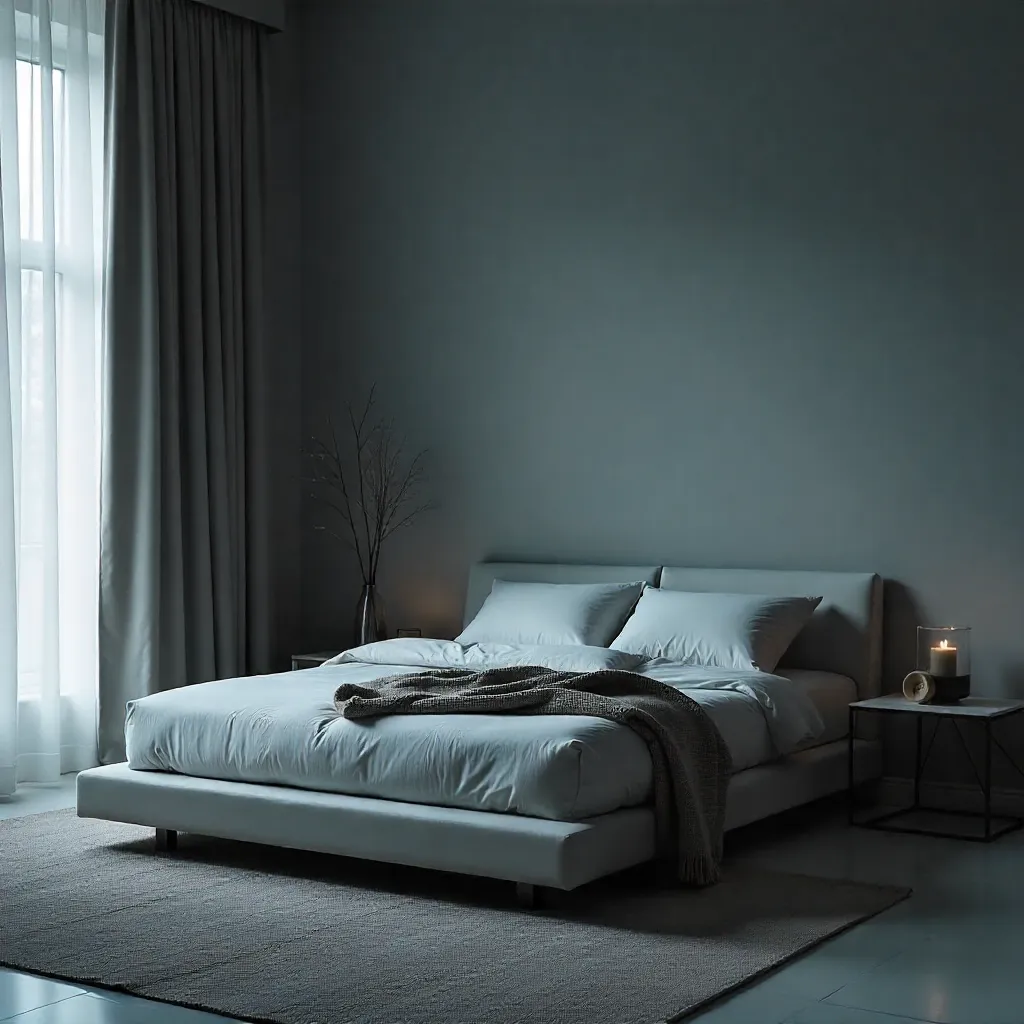
Natural materials generally off-gas less than synthetic alternatives. Solid wood furniture, natural fiber textiles, and clay-based finishes contribute to better indoor air quality. These materials also age beautifully, developing character over time rather than deteriorating.
Avoid materials with strong chemical odors, which indicate off-gassing of volatile organic compounds. When possible, choose items that have been allowed to air out before installation. Look for certifications that indicate low-emission products.
Plants can help improve air quality, but choose varieties that are easy to maintain. Overwatering and plant stress can introduce mold issues. Select plants that thrive in your specific light conditions to ensure they remain healthy additions to your space.
Ventilation is crucial regardless of material choices. Ensure your space has adequate airflow, whether through windows, mechanical ventilation, or both. Fresh air circulation helps maintain healthy indoor environments even with the best material selections.